Gutter Guards vs Gutter Cleaning: Which Is Better?
Choosing between gutter guards and regular cleaning depends on your home's surroundings, roof design, and how much maintenance you want to handle. When comparing gutter guards vs. gutter cleaning, homeowners in Lexington, Kentucky, should consider how quickly leaves accumulate, whether gutters overflow during heavy rain, and how much time they spend clearing debris. Both options help protect a home from water damage, but they work in different ways.
Gutter cleaning removes leaves, twigs, shingle granules, and other debris that collect inside the gutter system. Gutter guards create a barrier that limits the amount of debris entering the gutters while allowing rainwater to flow toward the downspouts. Neither option solves every drainage problem, and the right choice often depends on the property.
For some homes, regular cleaning is enough to keep rainwater moving safely away from the foundation. Others benefit from a protective system that reduces debris buildup and cuts down on maintenance. Understanding the differences can help you choose a practical solution for your home and budget.
Understanding Gutter Cleaning and Gutter Guards
Before deciding which option is better, it helps to understand how each approach works and what it can realistically accomplish.
What Does Gutter Cleaning Involve?
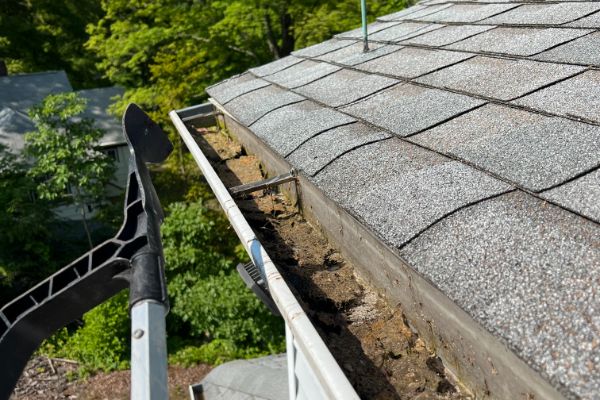
Gutter cleaning removes the material that collects in gutters and downspouts over time. Common debris includes fallen leaves, pine needles, small branches, dirt, roof granules, and seed pods. When this material builds up, rainwater cannot move freely through the drainage system.
A proper cleaning involves removing debris from the gutters, checking downspouts for blockages, and confirming that water can flow through the system. It may also reveal loose brackets, damaged gutter sections, or areas where water pools instead of draining.
Cleaning addresses the debris already present in the system. It does not prevent new leaves and other material from entering, which is why recurring maintenance remains necessary.
What Are Gutter Guards?
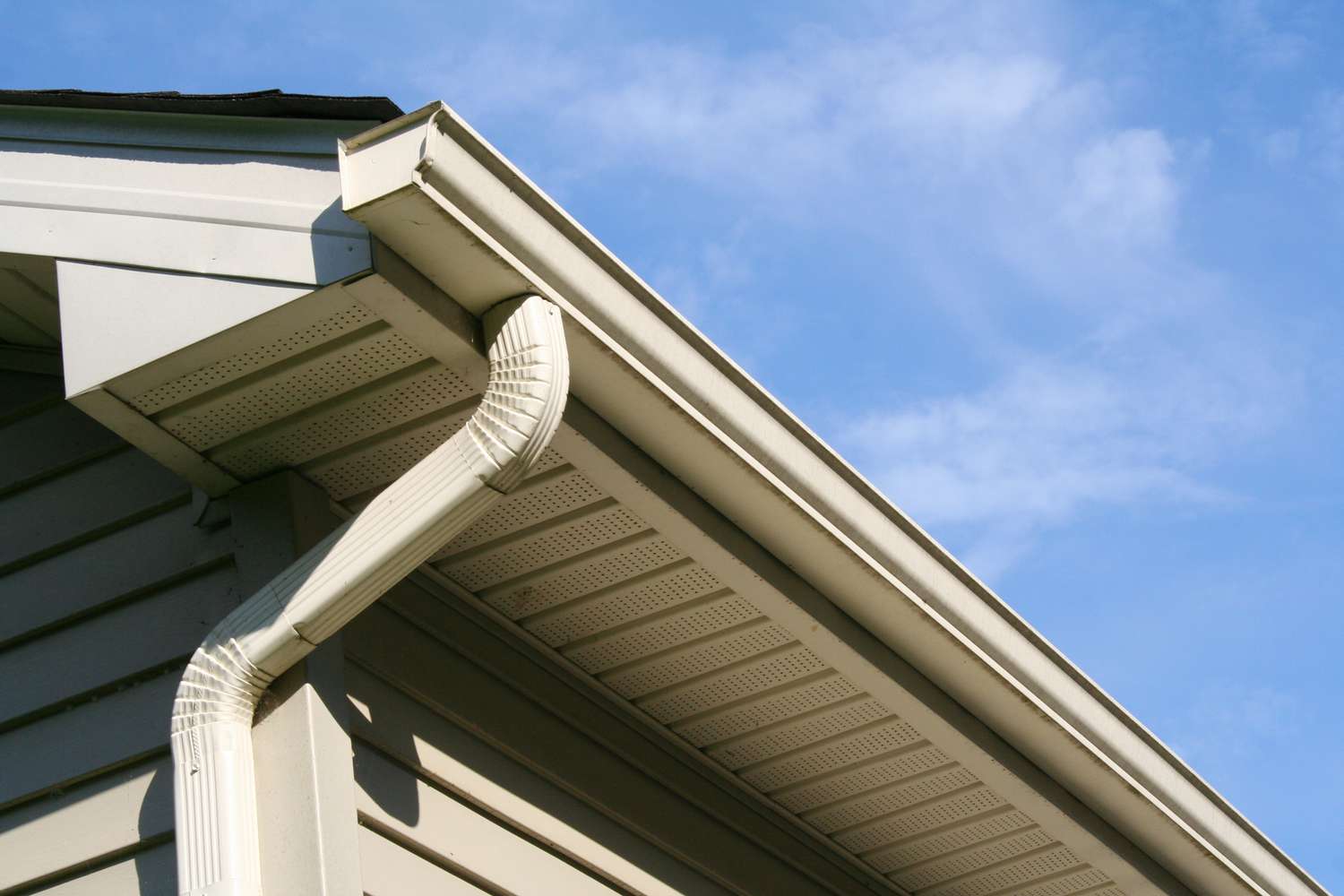
Gutter guards are protective covers or inserts fitted over or inside gutters. Their purpose is to allow rainwater into the gutter while limiting the amount of leaves and other debris that enters.
Different designs use different methods. Mesh guards filter debris through small openings, perforated covers allow water through drilled holes, and solid covers direct water around a curved surface into the gutter. Foam and brush inserts occupy space inside the gutter and help block larger debris, although they can collect dirt and organic material themselves.
The performance of a guard depends on its design, installation, and the debris around the home. A system that works well beneath broadleaf trees may need more attention beneath trees that shed fine needles or seeds.
Gutter Guards vs. Gutter Cleaning: The Main Differences
Both options support proper drainage, but they offer different levels of protection and maintenance.
Debris Prevention Versus Debris Removal
Cleaning removes existing buildup, restoring the space water needs to flow through the gutter. It is particularly useful when a system is already clogged or has not received maintenance for a long time.
Guards aim to reduce the amount of debris that enters the gutter in the first place. They can help limit blockages, but some material may remain on the surface or pass through the openings.
The main distinction is simple. Cleaning deals with debris after it enters the system, while guards reduce the amount that gets inside. Even a protected gutter can need occasional inspection and cleaning.
Upfront Costs and Ongoing Expenses
Routine cleaning generally costs less at the outset because it does not require installing additional equipment. Homeowners can arrange professional cleaning as needed, making it easier to spread maintenance expenses throughout the year.
Gutter guards require an initial investment in materials and installation. The price depends on the gutter length, roof access, guard design, existing gutter condition, and complexity of the installation. Premium systems may cost more than basic covers or inserts.
Over time, guards may reduce the number of professional cleaning visits needed. Whether the investment pays off depends on how frequently the property needs cleaning, the price of each visit, and the expected lifespan of the selected system.
Maintenance and Long-Term Convenience
Cleaning requires recurring attention, especially in areas with heavy leaf fall. Homeowners must monitor the gutters and arrange maintenance before debris becomes a serious drainage problem.
Guards can make maintenance easier by reducing the volume of material inside the gutters. Nevertheless, leaves may accumulate on top, fine debris can collect in the channels, and downspouts can still become blocked.
A protected system is often more convenient, but it should not be treated as a permanent substitute for inspections.
The Benefits of Gutter Guards for Lexington Homes
Lexington homeowners face seasonal changes that affect roof drainage. Falling leaves, spring storms, and periods of heavy rainfall can all place pressure on gutters. The benefits of gutter guards are particularly relevant when a property repeatedly collects debris between scheduled cleanings.
Less Debris Inside the Gutters
A suitable guard can prevent many leaves, twigs, and larger pieces of debris from entering the gutter channel. This reduces the amount of material that must be removed during maintenance.
Homes surrounded by mature trees may benefit from this protection because leaves can accumulate quickly during autumn. Guards can also help reduce the likelihood of larger debris blocking the gutter outlet.
The result depends on the guard design and the type of vegetation around the house. Fine needles and small seeds can behave differently from broad leaves, so material selection matters.
Reduced Risk of Overflow
Blocked gutters can force rainwater over the sides instead of directing it through the downspouts. Overflow may soak the fascia, stain exterior walls, erode landscaping, or allow water to collect near the foundation.
Gutter guards can reduce one common cause of overflow by limiting debris accumulation inside the channel. They do not correct undersized gutters, poor slope, damaged seams, or inadequate downspouts.
For the best results, the entire drainage system must be in suitable condition. A guard cannot compensate for a gutter that is poorly installed or unable to handle the volume of water coming from the roof.
Fewer Cleaning Visits
Many homeowners install guards because they want to spend less time arranging maintenance. If a property requires several cleaning visits each year, reducing that frequency may make a protective system worthwhile.
The savings depend on the home. A property with few nearby trees may need only occasional cleaning, while one beneath dense tree cover may collect debris much more frequently.
Homeowners should compare their current maintenance costs with the installation price before deciding. A guard is most attractive when it addresses a recurring problem rather than a rare inconvenience.
When Regular Gutter Cleaning Is the Better Choice
Gutter guards are not necessary for every property. In some situations, professional cleaning provides sufficient protection without the added expense of installing a new system.
Homes With Limited Tree Cover
A home with few overhanging branches may collect relatively little debris. If the gutters remain clear for long periods, regular inspections and occasional cleaning may be more economical than installing guards.
The same applies to properties where nearby trees shed leaves only during a short seasonal period. A planned cleaning schedule can address the main problem without adding another component to the drainage system.
Homeowners should still consider roof granules, seed pods, and other debris that can enter gutters even when large trees are absent.
Existing Gutters That Need Repairs
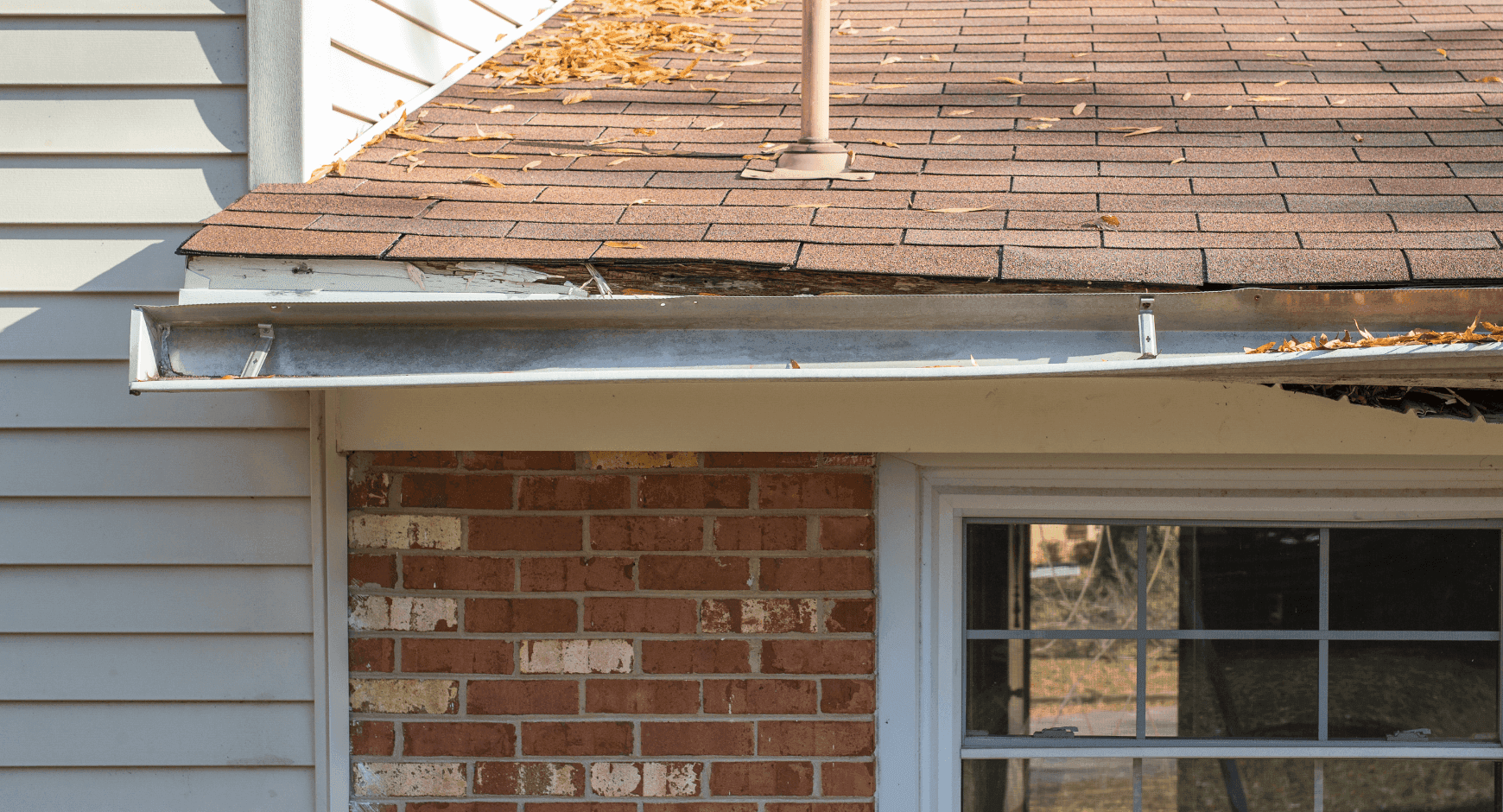
Cleaning is a useful first step when gutters are clogged, but it may reveal damage that requires separate attention. Loose fasteners, leaking joints, sagging sections, and incorrect slopes can all interfere with drainage.
Installing guards over damaged gutters does not solve these problems. In some cases, the gutter system should be repaired or replaced before any protective cover is fitted.
A professional inspection can help determine whether the current system is suitable for guards or whether maintenance and repairs should come first.
Homes With a Limited Maintenance Budget
Cleaning usually requires a smaller immediate expense than a full guard installation. Homeowners who need to manage current costs may prefer to schedule cleaning and reconsider guards later.
This approach can work well when the gutters are accessible, debris levels are manageable, and maintenance can be completed safely. The important point is to avoid postponing cleaning until blockages cause water to overflow.
For anyone uncomfortable working at height, professional help is a sensible option. The cost of cleaning should be weighed against the risks of climbing ladders or working near roof edges.
How Often Should You Clean Gutters?
Knowing how often to clean gutters is an important part of protecting your home, whether or not you have guards installed. The right schedule depends on the amount of nearby vegetation, roof condition, local weather, and the way water moves through the system.
Recommended Cleaning Schedule
Many homes benefit from gutter cleaning at least twice a year, typically during spring and autumn. Autumn cleaning is particularly useful after most leaves have fallen, while spring maintenance can remove remaining debris and material collected during winter.
Properties beneath large trees may need additional visits during the year. Pine trees, seed-producing plants, and heavy seasonal leaf fall can fill gutters faster than expected.
After major storms, it is worth checking for branches, displaced gutter sections, and signs of overflow. A schedule should be based on the property's actual conditions rather than a fixed rule that applies to every home.
Signs Your Gutters Need Attention
Water spilling over the gutter edge during rainfall is a common sign of a blockage or drainage problem. Other warning signs include plants growing inside the gutter, visible sagging, water stains on exterior walls, and soil erosion below the roofline.
Downspouts that release little or no water during rain may also be blocked. Standing water in the gutter can indicate debris buildup, an incorrect slope, or another drainage issue.
Do not assume that guards eliminate these warning signs. If water is overflowing or the system appears damaged, have it inspected before the problem affects other parts of the home.
Choosing the Right Gutter Protection System
Not all gutter protection systems perform equally well. The best option depends on the type of debris around the property, the existing gutters, and the amount of maintenance the homeowner wants to avoid.
Mesh and Micro Mesh Guards
Mesh guards use a screen to prevent larger debris from entering the gutter. Micro mesh versions have finer openings that can block smaller particles while allowing rainwater to pass through.
These systems can suit homes that experience regular leaf fall and collect smaller debris. Their performance depends on the quality of the mesh, installation, and the amount of fine material in the surrounding environment.
Fine screens may need occasional cleaning because pollen, shingle granules, and other particles can collect on the surface.
Perforated and Solid Surface Guards
Perforated covers use openings to admit water while keeping many leaves and twigs out. Solid surface guards use a curved design to direct rainwater into the gutter while larger debris tends to fall away.
These designs can work well when matched to the roof and local conditions. Heavy rainfall, roof pitch, and the amount of water reaching a gutter section all affect performance.
Installation quality is particularly important because water must enter the gutter instead of overshooting it. Homeowners should discuss the design's suitability for their roof before choosing a product.
Foam and Brush Inserts
Foam inserts fit inside the gutter and allow water to pass through the material. Brush inserts use bristles to help keep larger debris from settling inside the channel.
Both options may be less expensive than some professionally installed cover systems, but they can collect organic material and dirt. Depending on the environment, cleaning or replacement may be needed more often than expected.
Before selecting an insert, consider the maintenance it requires and how easily it can be removed for inspection.
Professional Gutter Cleaning and Guard Installation
Choosing between the two options becomes easier when you understand the condition of your existing system. A professional assessment can identify blockages, drainage issues, and areas where additional protection may help.
Homeowners looking for gutter cleaning services in Lexington, KY should consider whether the service includes checking downspouts, identifying visible damage, and confirming that water drains correctly. Removing debris without checking the flow may leave an underlying problem unresolved.
If recurring blockages are the main concern, ask whether installing gutter guards and gutter protection would be appropriate for the property. The recommendation should account for tree cover, roof design, gutter condition, and the type of debris entering the system.
A qualified installer should also explain how the selected guard will be maintained. Ask about access for inspections, cleaning requirements, product coverage, and whether existing gutters need repairs before installation.
For homeowners comparing local options, MidWest Gutters provides gutter services alongside roofing installation and outdoor renovation work in Lexington and surrounding communities. Discussing the condition of the current drainage system can help you decide whether cleaning, repairs, guards, or a combination of services makes the most sense.
Can Gutter Guards Prevent Water Damage?
Gutter guards can help reduce the risk of water damage caused by debris-related blockages, but they cannot eliminate every drainage issue. Water can still overflow if the gutter is too small for the roof, the downspout is blocked, or heavy rainfall exceeds the system's capacity.
Proper drainage also depends on the ground around the home. Downspouts should discharge water away from the foundation, and the surrounding soil should direct runoff away from the building where possible.
Regular inspections remain useful even after guard installation. Checking for loose covers, blocked outlets, sagging sections, and signs of overflow helps identify problems before they cause costly repairs.
Gutter Guards vs. Gutter Cleaning: Which Should You Choose?
The best choice depends on how much debris your home collects and what you spend on maintenance. Regular cleaning is often the sensible option for homes with limited tree cover, relatively clean gutters, or a need to keep initial costs low.
Gutter guards may be a better fit for homes that repeatedly collect leaves and twigs, need frequent cleaning, or have difficult roof access. They can reduce maintenance demands, although periodic inspection and cleaning will still be necessary.
Some homeowners will benefit from both approaches. Installing suitable guards and arranging occasional maintenance can provide a practical balance between debris prevention and proper drainage.
The most reliable decision starts with the condition of your current gutters. Consider the surrounding trees, the frequency of blockages, the cost of repeated cleaning, and the suitability of your roof before choosing a solution.
Frequently Asked Questions
Are gutter guards better than regular gutter cleaning?
Gutter guards reduce the amount of debris entering gutters, while cleaning removes material that has already accumulated. The better choice depends on tree cover, maintenance costs, and the condition of your drainage system.
Do gutter guards eliminate the need for cleaning?
No. Leaves and dirt can collect on top of guards, and fine debris can still enter the gutters. Periodic inspections and occasional cleaning help maintain proper water flow.
How often should gutters be cleaned in Lexington, Kentucky?
Many homes need cleaning at least twice a year, often in spring and autumn. Properties surrounded by mature trees may require more frequent attention, depending on how quickly debris accumulates.
Are gutter guards worth the cost?
They may be worthwhile if your home needs frequent cleaning or has difficult roof access. Compare the installation cost with your current maintenance expenses and the expected upkeep of the chosen system.
Can gutter guards handle heavy rain?
A suitable, properly installed guard can allow rainwater to enter the gutters, but performance varies by design and roof conditions. Correct gutter sizing, clear downspouts, and proper installation remain important during heavy rainfall.
What type of gutter guard works best?
Mesh, micro mesh, perforated, and solid surface guards can all work well in suitable conditions. The best choice depends on the debris around your home, rainfall patterns, roof design, and maintenance needs.
Should I clean my gutters before installing guards?
Yes, the gutters should be cleared and inspected before installation. Any blockages, leaks, loose sections, or drainage problems should be addressed so the new system can function correctly.