Seamless vs. Sectional Gutters: Which Is Right for Your Home?
Choosing between seamless gutters and sectional gutters can affect how well your home manages rainwater, how often you deal with leaks, and how much you spend on maintenance over time. For homeowners in Lexington, Kentucky, the right choice depends on the roofline, property size, budget, and condition of the existing drainage system. Both gutter styles collect rainwater and direct it away from the house, but they differ in construction, installation, and the number of joints where leaks can develop.
Sectional gutters are made from individual pieces connected along the roofline. Seamless gutters are formed from a continuous length of material, with joints generally limited to corners, outlets, and other necessary connections. This difference can influence durability and upkeep, although neither option is automatically right for every home.
Understanding how each system works will help you compare installation costs, maintenance requirements, and long term performance before making a decision.
What Are Seamless and Sectional Gutters?
The main difference between these gutter styles is how the material is joined together. Knowing how each system is constructed makes it easier to understand their advantages and limitations.
What Are Seamless Gutters?
Seamless gutters are custom-formed to fit the measurements of a property. Installers typically use a specialized machine to shape a continuous length of metal at the job site. The gutter is then cut to the required length and secured along the roofline.
Because the main gutter runs have fewer joints, there are fewer places where water can escape through connections. Most residential seamless gutters are made from aluminum, although other materials may be available depending on the project.
These gutters require professional measurement and installation because they cannot simply be assembled from standard short sections. Their dimensions must match the building, and corners, downspouts, and outlets must be fitted correctly.
What Are Sectional Gutters?
Sectional gutters are assembled from individual pieces that connect to form a complete drainage system. The pieces are available in standard lengths and are joined using connectors, sealants, and fasteners.
This design makes sectional gutters accessible for many do-it-yourself projects. Individual pieces can be purchased and installed without specialized forming equipment, which can lower the initial material expense.
The tradeoff is the number of joints throughout the system. Each connection must be fitted and sealed properly to prevent water from escaping. Sealants can deteriorate over time, and connections may require attention as the gutters age.
Seamless Gutters vs. Sectional Gutters: Key Differences
Both systems can protect a home when correctly sized and installed. The differences become more noticeable when you consider leak prevention, appearance, maintenance, and the overall installation process.
Leaks and Water Flow
Seamless gutters have fewer joints along their straight runs, reducing the number of potential leak points. This can be useful during periods of heavy rainfall, when water moves quickly through the drainage system.
Sectional gutters depend on multiple connected pieces. If a joint separates, the sealant deteriorates, or a connector becomes loose, water may leak through the connection and run down the exterior wall.
Neither design guarantees leak free performance. Seamless systems can still develop leaks around corners, end caps, and downspout outlets. Poor installation, physical damage, or clogged drainage can also cause water to spill over the edge.
Appearance and Curb Appeal
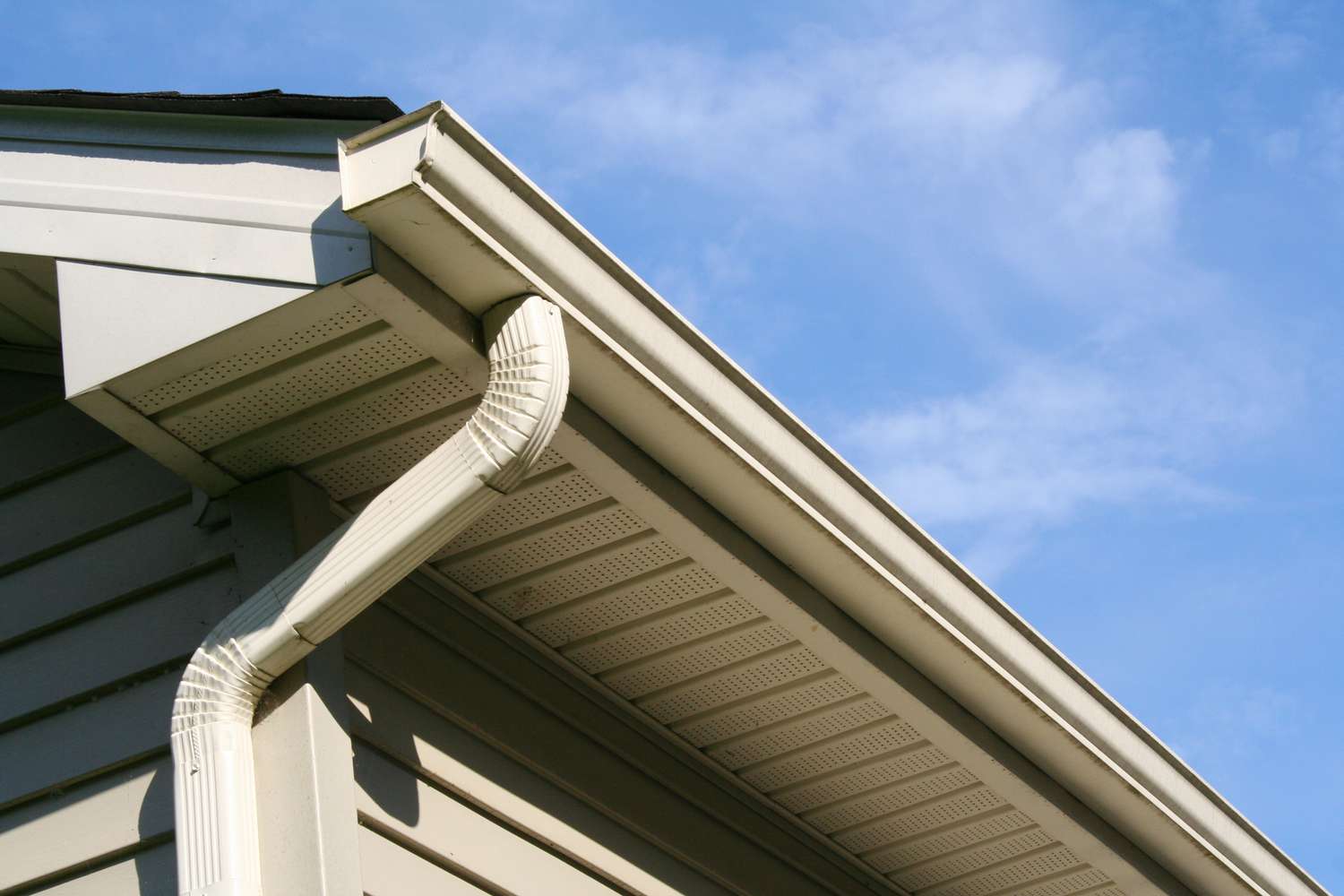
Seamless gutters generally create a cleaner appearance because their long runs have fewer visible connections. Custom sizing also helps the gutters follow the roofline without unnecessary joints between short pieces.
Sectional gutters have visible seams at each connection. Depending on the home's architectural style and the gutter material, these joints may be more noticeable from the ground.
Both styles come in different colors and finishes. The best appearance depends on how well the gutters complement the roof, trim, siding, and other exterior features.
Installation and Repair
Seamless gutters require accurate measurements and specialized equipment. Installers form the gutter to the required dimensions, secure it to the building, and create the necessary connections for corners and downspouts.
Sectional gutters are assembled from prefabricated pieces. Their standard lengths can make installation simpler for small projects, and homeowners may find it easier to replace a damaged section without removing a long continuous run.
Repairing seamless gutters can require more work if a long section is bent or damaged. With sectional gutters, an individual piece may be replaceable, although matching the existing material and ensuring a watertight connection still matter.
Maintenance Requirements
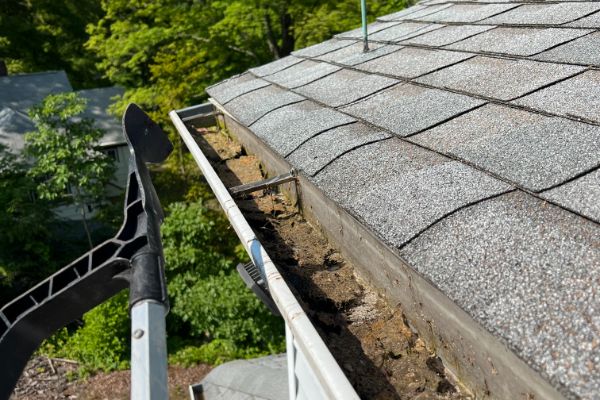
The number of joints can influence maintenance, but both systems need regular attention. Leaves, twigs, roof granules, and dirt can collect in either style, restricting the flow of rainwater.
Seamless gutters may require fewer repairs related to leaking joints along straight runs. Sectional gutters need periodic checks of their connections and sealants.
In both cases, cleaning, checking the downspouts, inspecting the hangers, and looking for signs of sagging help keep the drainage system working properly.
The Benefits of Seamless Gutters
The benefits of seamless gutters go beyond appearance. Their continuous construction can reduce certain maintenance problems and provide a practical option for homeowners planning to keep their property for many years.
Fewer Potential Leak Points
Every gutter connection creates a place that may eventually require inspection or repair. By reducing the number of joints along straight runs, seamless gutters limit the number of locations where water can escape through a failed connection.
This is particularly useful when gutters run along long roof edges. Fewer connections can mean fewer opportunities for sealant deterioration to cause leaks.
Corners, end caps, and downspout outlets still need proper sealing. Regular inspections remain important, especially after storms or when water begins appearing where it should not.
A Custom Fit for the Roofline
Seamless gutters are made to match the measured length of each run. This allows installers to create a system that fits the roofline without relying on multiple standard pieces connected end to end.
A well-fitted gutter can support more consistent drainage when combined with the correct slope and properly positioned downspouts. Accurate installation also helps prevent low spots where water may collect.
The custom fit is particularly useful for larger homes or rooflines with long uninterrupted edges. Complex roof designs still require carefully planned corners and connections.
A Cleaner Exterior Finish
Homeowners often prefer seamless gutters because they have fewer visible joints. The continuous lines can complement both traditional and contemporary properties without drawing attention to the drainage system.
Color selection also affects the result. Gutters that coordinate with the trim can blend into the exterior, while a contrasting color may create a more defined architectural feature.
Appearance should be considered alongside performance. A well-installed sectional system can still look attractive, particularly on smaller homes or properties where the connections are less noticeable.
When Sectional Gutters May Be the Better Choice
Seamless gutters offer several advantages, but sectional gutters can still be a sensible solution. Their suitability depends on the project, the installation requirements, and the homeowner's budget.
Lower Initial Material Costs
Sectional gutters are sold in standard lengths, which can make them less expensive to purchase initially. Homeowners undertaking a small repair or working within a limited budget may appreciate this flexibility.
The total project cost also depends on labor, fasteners, connectors, sealants, ladders, and other equipment. A lower material price does not always mean the lowest overall cost once installation and future repairs are considered.
Comparing complete estimates gives a more accurate picture of value than looking at material prices alone.
Straightforward Section Replacement
If a sectional gutter develops damage in one area, the affected piece may be removed and replaced without replacing the entire run. This can be helpful when damage is isolated, and the surrounding sections remain in good condition.
Replacement requires compatible dimensions and connectors. The installer must also check whether the underlying hangers, fascia, and adjacent pieces are secure.
Seamless gutters can also be repaired, but significant damage to a long continuous section may require a larger replacement. The best repair method depends on the location and extent of the damage.
Small Projects and Existing Systems
Sectional gutters can suit sheds, garages, small additions, and other structures where standard lengths are practical. They may also be appropriate when matching an existing sectional system is more important than changing the entire gutter layout.
For a larger home with long roof edges, the number of connections may make seamless gutters more attractive. For a small outbuilding, the additional expense of custom forming may not provide enough value to justify the upgrade.
Which Gutter Type Works Best in Lexington, Kentucky?
Local weather and property conditions should play a role in the decision. Lexington homes experience seasonal leaf fall, thunderstorms, and periods of heavy rain. These conditions make correct gutter sizing, secure installation, and clear downspouts important regardless of the style selected.
Consider Trees and Seasonal Debris
Homes surrounded by mature trees may collect leaves and small branches throughout the year, with heavier accumulation during autumn. Both seamless and sectional gutters can become blocked when debris builds up.
Cleaning should be scheduled according to the amount of vegetation around the property. Homes beneath dense tree cover may need more frequent attention than homes with few overhanging branches.
Gutter guards may help reduce debris entering the system, but they do not remove the need for inspections. The gutter style should be selected alongside a maintenance plan that reflects the property's surroundings.
Prepare for Heavy Rainfall
During heavy rain, gutters must collect water from the roof and carry it to the downspouts without overflowing. The right gutter size, appropriate slope, secure hangers, and adequate downspout capacity all affect performance.
Seamless construction can reduce leakage at straight run connections, but it cannot correct an undersized gutter or a blocked outlet. Sectional gutters can also drain effectively when properly installed and maintained.
Homeowners should pay attention to recurring overflow, water pooling near the foundation, and erosion below the roofline. These signs may indicate a drainage problem that needs more than a change in gutter style.
Signs You Need New Gutters
Knowing the signs you need new gutters can help you decide whether a repair will be enough or whether replacement deserves consideration. A new system may be appropriate when the existing gutters can no longer direct water away from the property reliably.
Persistent Leaks and Visible Damage
A small leak at a sectional joint may be repairable by resealing or replacing the connector. Repeated leaks in several areas can indicate that the system is deteriorating.
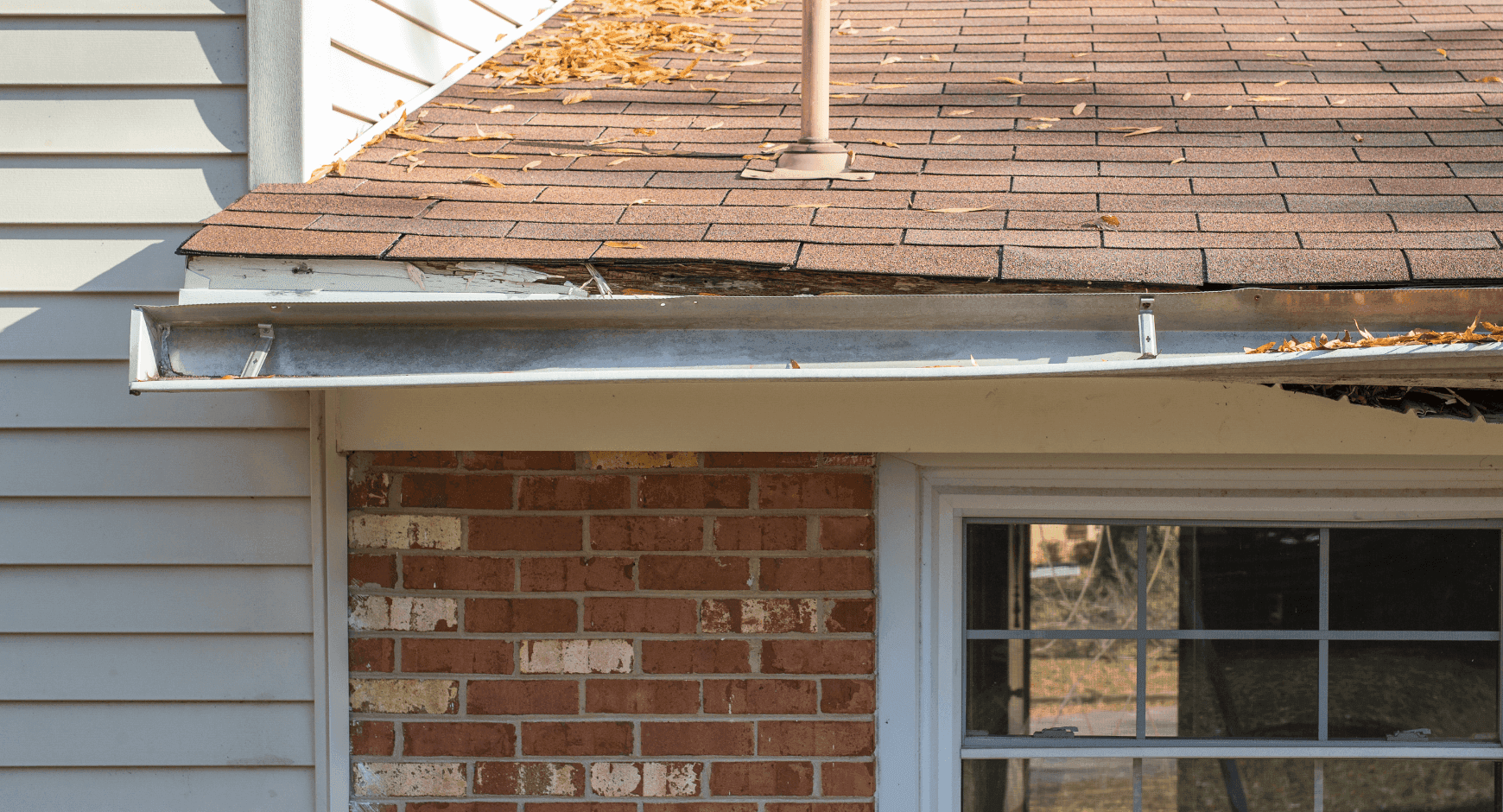
Look for cracks, holes, corrosion, bent sections, and loose connections. Seamless gutters should also be checked at corners, end caps, and downspout outlets.
If damage is widespread or repairs keep recurring, replacing the affected runs may be more practical than continuing to patch the same problems.
Sagging Gutters and Standing Water
Gutters that pull away from the roofline may have loose fasteners, damaged fascia, or inadequate support. Sagging can change the gutter slope and prevent rainwater from reaching the downspouts.
Standing water after rainfall may also indicate poor installation, a blockage, or a section that has become distorted. These issues can affect both seamless and sectional systems.
An inspection can identify whether the problem is limited to a few brackets or whether the gutter itself needs replacement.
Water Damage Around the Home
Peeling paint, water stains on siding, eroded soil, and recurring puddles near the foundation may point to ineffective drainage. These symptoms can have several causes, so the gutters and downspouts should be checked before deciding on a repair.
Replacing old gutters may help when the existing system is damaged or poorly configured. The new installation should also direct discharge away from the house to reduce water accumulation around the foundation.
Choosing Professional Gutter Installation or Replacement
The right gutter system should fit the roofline, handle the expected water flow, and suit the property's maintenance needs. Before choosing a contractor, ask how the gutters will be measured, what material will be used, and how the system will be secured.
A professional assessment can also identify fascia damage, inadequate downspouts, and drainage issues that should be addressed before installation. These details matter because even high-quality gutters can perform poorly when the underlying problems remain unresolved.
Homeowners considering seamless gutter installation should discuss the roof layout, available materials, color choices, and the placement of downspouts. Request a clear estimate that explains the scope of work and any repairs needed before the new system is fitted.
For property owners comparing local options, MidWest Gutters provides gutter installation, roofing installation, and outdoor renovation services in Lexington and nearby communities. Reviewing the condition of the current gutters with an experienced professional can help determine whether a targeted repair or a full replacement is the more practical choice.
Seamless Gutters vs. Sectional Gutters: Making the Final Decision
Seamless gutters are often a strong choice for homeowners who want a custom fit, fewer joints, and a cleaner exterior appearance. Sectional gutters may be more suitable for smaller projects, limited budgets, or situations where individual pieces can be replaced easily.
Neither option is automatically better for every property. Consider the roofline, local weather, nearby trees, current gutter condition, and long-term maintenance costs before making a decision.
The best gutter system is one that collects rainwater reliably and directs it away from your home. Proper sizing, careful installation, and regular maintenance matter just as much as the choice between seamless and sectional construction.
Frequently Asked Questions
Are seamless gutters better than sectional gutters?
Seamless gutters have fewer joints along straight runs, which can reduce potential leak points. Sectional gutters can still perform well when properly installed and maintained, so the best option depends on your home and budget.
Are seamless gutters more expensive?
Seamless gutters generally cost more to install because they require custom measurements and specialized equipment. The long term value depends on installation costs, maintenance needs, and how long the system lasts.
How long do seamless and sectional gutters last?
Lifespan depends on the material, installation quality, weather exposure, and maintenance. Both styles can last for many years when properly cared for, but damaged joints or neglected drainage can shorten their useful life.
Can sectional gutters be replaced with seamless gutters?
Yes. An installer can assess the existing system, measure the roofline, and determine what needs to be removed or repaired. The fascia, downspouts, and drainage layout should also be checked during the project.
What are the signs that gutters need replacement?
Frequent leaks, cracks, sagging sections, loose fasteners, and recurring overflow may indicate that replacement is needed. An inspection can help determine whether repairs will solve the problem or whether the system has deteriorated too far.
Do seamless gutters require less maintenance?
They may need fewer repairs related to joints along straight runs, but they still collect leaves, dirt, and roof debris. Regular cleaning and inspections are necessary to keep water flowing correctly.
Which gutters are best for homes in Lexington, Kentucky?
Both styles can work in Lexington when properly sized and installed. Seamless gutters may suit homeowners who prefer fewer joints, while sectional gutters can be a practical option for smaller projects or tighter budgets.